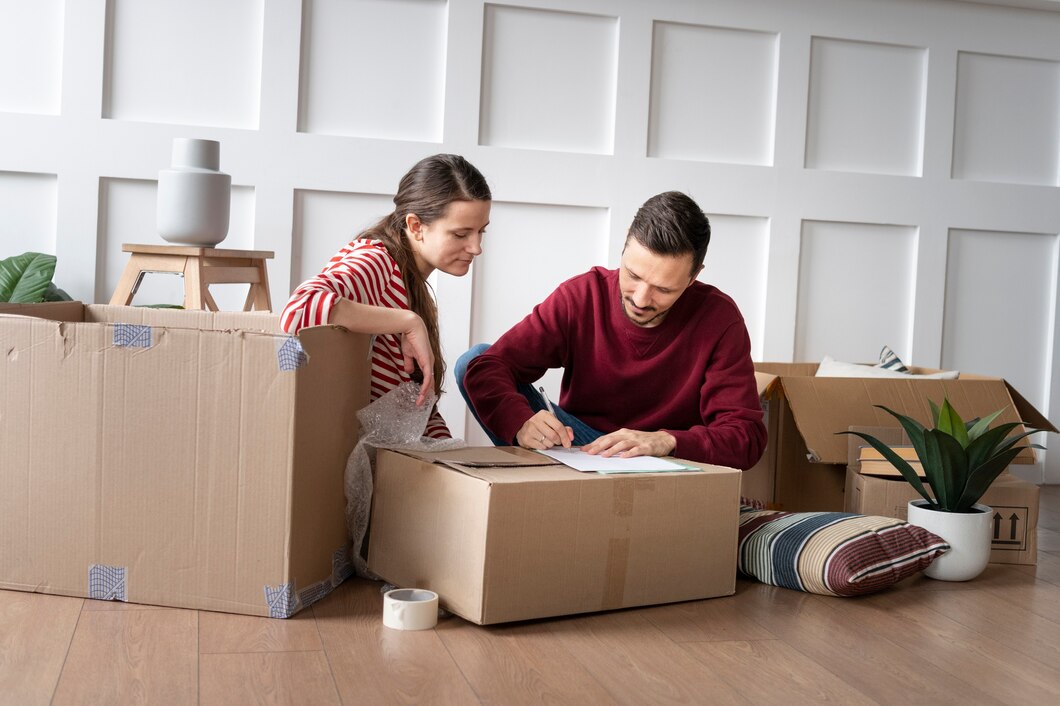
Packing is one of the most important parts of any move. Whether you are relocating to a new house, apartment, or office, the way you pack your belongings can directly affect how safe and organized your move will be. Poor packing often leads to damaged items, broken valuables, and unnecessary stress during unpacking. With the right strategy and preparation, however, packing can become a smooth and manageable part of the moving process.
In this guide, we will cover practical packing tips that help protect your belongings, save time on moving day, and ensure everything arrives safely at your new destination.
Start Packing Well Before Moving Day
Many people underestimate how long packing takes. Waiting until the last few days before moving often leads to rushed decisions and poorly packed boxes. Starting early allows you to organize your belongings properly and avoid last-minute stress.
Create a Packing Timeline
A packing timeline helps you divide the work into manageable tasks.
- Pack seasonal or rarely used items first.
- Move room by room instead of packing everything at once.
- Leave daily essentials for the final days.
- Finish most packing at least one day before moving.
This approach makes the process much more organized and prevents feeling overwhelmed.
Use High-Quality Packing Materials
The safety of your belongings depends largely on the materials you use. Weak boxes or insufficient padding can lead to damaged items during transport.
Essential Packing Supplies
- Strong cardboard moving boxes
- Packing tape
- Bubble wrap or packing paper
- Stretch wrap for furniture
- Markers and labels
- Furniture blankets or protective covers
Investing in proper packing materials ensures your items stay secure during loading, transport, and unloading.
Pack One Room at a Time
Packing room by room helps maintain organization and makes unpacking much easier. Mixing items from different rooms can lead to confusion later when trying to find specific belongings.
Benefits of Room-by-Room Packing
- Boxes stay organized by location.
- Unpacking becomes faster and easier.
- Movers know exactly where each box belongs.
- Important items are easier to locate.
Labeling each box with the room name also helps movers place boxes in the correct areas of your new home.
Protect Fragile Items Carefully
Fragile items require extra care during packing. Glassware, dishes, mirrors, artwork, and electronics can easily break if not properly protected.
Tips for Packing Fragile Belongings
- Wrap each item individually with bubble wrap.
- Use packing paper between stacked dishes.
- Place heavier items at the bottom of the box.
- Fill empty spaces with paper or foam.
- Mark boxes clearly as “Fragile”.
Proper cushioning prevents items from shifting inside boxes and reduces the risk of damage during transportation.
Avoid Overpacking Boxes
Overfilling boxes can make them too heavy to carry safely. It also increases the risk of boxes breaking during the move. Instead, try to balance the weight of each box.
Smart Box Packing Guidelines
- Pack heavier items in smaller boxes.
- Use large boxes for lighter items like pillows or clothes.
- Keep box weight manageable for safe lifting.
- Reinforce the bottom of boxes with extra tape.
This method protects both your belongings and the people carrying the boxes.
Label Every Box Clearly
Clear labeling saves a significant amount of time during both unloading and unpacking. Without labels, you may spend hours opening boxes just to find basic items.
What to Include on Each Label
- Room name
- Short description of contents
- Fragile warnings if needed
- Priority boxes that should be opened first
Some people also use color-coded labels for different rooms, which makes sorting boxes even faster.
Disassemble Large Furniture When Possible
Large furniture items can take up a lot of space and may be difficult to transport in one piece. Disassembling certain items makes them easier and safer to move.
Furniture That Can Be Disassembled
- Beds and bed frames
- Dining tables
- Office desks
- Shelving units
- Large cabinets
Keep screws, bolts, and small hardware in labeled bags so they can be easily reassembled at the new location.
Pack an Essentials Box for Moving Day
An essentials box contains items you will need immediately after arriving at your new home. This prevents you from searching through multiple boxes on the first night.
Items to Include in Your Essentials Box
- Toiletries and hygiene products
- Phone chargers
- Medications
- Basic kitchen items
- Snacks and bottled water
- A change of clothes
- Important documents
Keep this box with you instead of loading it onto the moving truck.
Consider Professional Packing Services
If you have a large household or limited time, professional packing services can be a valuable option. Experienced movers understand how to protect furniture, fragile items, and large appliances properly.
Professional packing can save time, reduce stress, and ensure your belongings are transported safely. It also allows you to focus on other important aspects of your move.
Final Thoughts
Packing may seem like a challenging task, but with proper planning and the right approach, it becomes much easier. Starting early, using quality packing materials, labeling boxes clearly, and protecting fragile items are all essential steps toward a successful move.
When combined with the support of experienced movers, these packing tips can help ensure your belongings arrive safely and your moving day runs smoothly. With careful preparation, you can look forward to settling into your new home without unnecessary stress.